July 29, 2026
Choosing between a walk-in shower and a bathtub can shape how your bathroom looks, feels, and functions for years. Both options offer clear benefits, but the better choice depends on your household, available space, daily routines, accessibility needs, and long-term plans. A sleek shower may make mornings faster and create a more open appearance, while a bathtub can support relaxation, bathing young children, and future resale appeal. Before making a decision, homeowners should consider how each fixture will affect comfort, maintenance, cost, and overall design. Experienced bathroom remodeling contractors can help evaluate these factors and recommend a solution that fits both the room and the people who use it.
Comparing Everyday Convenience
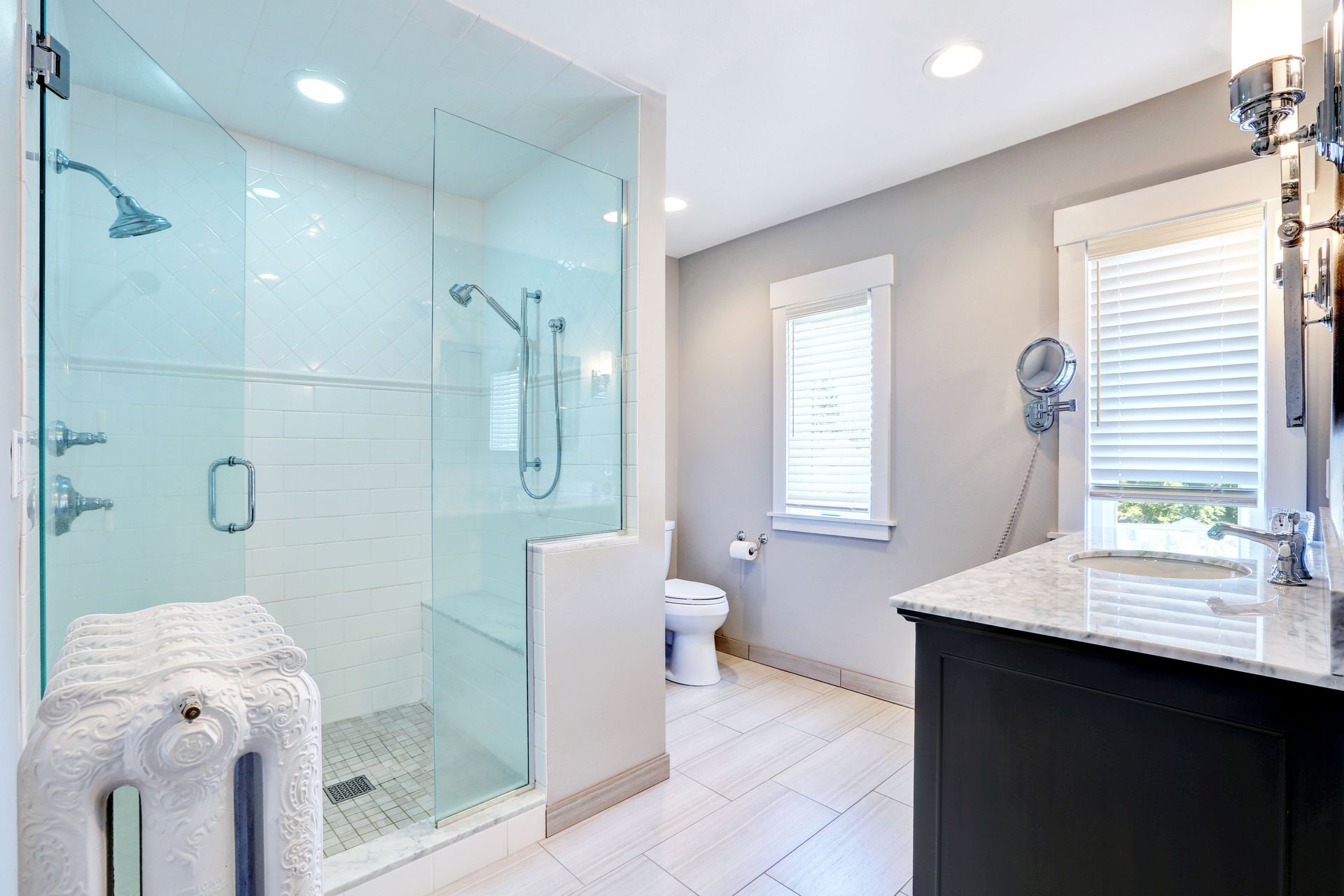
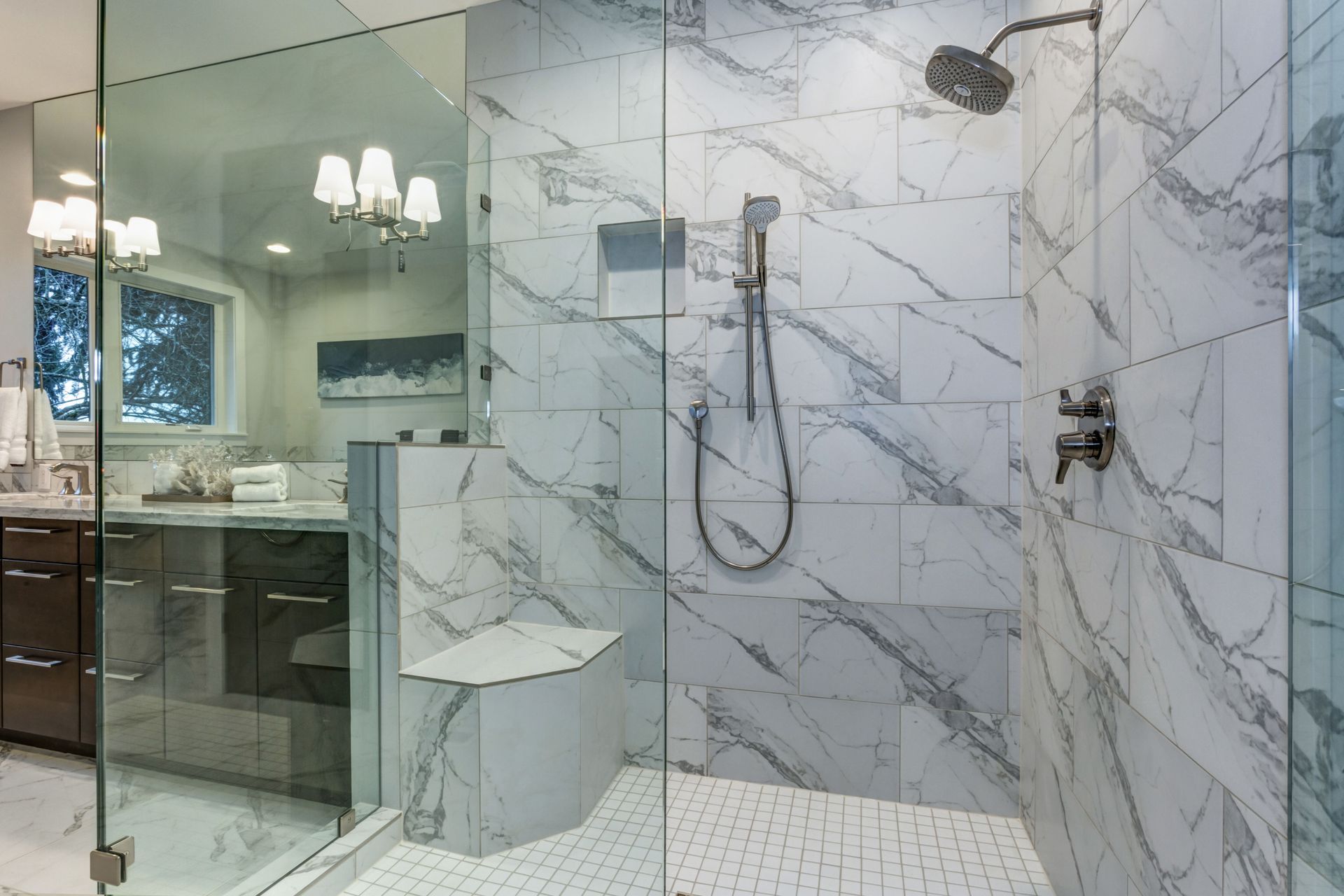
Walk-in showers are often favored by people who want a quick, efficient bathing experience. They typically provide easy entry, room to move, and the option to add features such as handheld showerheads, built-in benches, and recessed storage niches. For busy households, a shower can simplify morning routines and reduce the time needed to get ready. Glass enclosures may also make the bathroom feel larger by allowing light to travel through the space. When properly designed, a walk-in shower can deliver comfort without requiring a large footprint.
Bathtubs serve a different kind of convenience. They are useful for bathing infants, toddlers, pets, or anyone who prefers soaking rather than standing. A tub can also offer a calming place to relax after exercise or a long day. However, stepping over a high tub wall may be difficult for some users, especially those with limited mobility. Homeowners should think honestly about how often they currently take baths and whether that habit is likely to continue before giving valuable floor space to a fixture that may see limited use.
Evaluating Available Space
Bathroom size often plays a major role in the final decision. In a compact room, replacing a standard tub with a walk-in shower can improve circulation and make the layout feel less crowded. Frameless glass, light-colored tile, and a continuous floor design can further enhance the sense of openness. Showers can also be customized to fit unusual corners or narrow dimensions, which gives homeowners more flexibility when working around windows, doors, or existing plumbing. Skilled bathroom remodeling contractors can identify layout opportunities that may not be obvious at first glance.
A bathtub generally requires more uninterrupted floor area, especially if the plan includes a freestanding model. Alcove tubs can be more space-efficient because they fit between three walls, but they still occupy a fixed rectangular zone. In a larger primary bathroom, a separate tub may become a visual focal point and complement a spacious shower. In smaller homes, however, combining a tub and shower may be the most practical way to preserve both functions without expanding the room.
Considering Accessibility Needs
Accessibility is one of the strongest arguments for choosing a walk-in shower. A low-threshold or curbless entrance can reduce the risk of tripping and make the space easier to use for older adults, people recovering from injuries, or anyone with mobility limitations. Grab bars, slip-resistant flooring, shower seating, and adjustable fixtures can improve safety without making the room feel institutional. Planning these features during a remodel is often easier and more attractive than adding them after a problem arises.
Traditional bathtubs can present challenges because users must lift their legs over the side and lower themselves into the basin. Walk-in tubs address some of these concerns, but they have their own considerations, including higher cost, longer fill and drain times, and the need to remain seated until the water empties. Families who want to age in place should consider both current and future needs. Bathroom remodeling contractors can help balance accessibility with style so the finished room remains welcoming to everyone.
Weighing Cleaning and Maintenance
Walk-in showers vary widely in maintenance requirements. Large-format tile panels, solid-surface walls, and frameless glass can reduce grout lines and simplify cleaning. On the other hand, glass doors may show water spots, soap residue, and mineral buildup unless they are wiped down regularly. Grout also needs proper sealing and ventilation to resist staining or mildew. A well-designed shower should direct water efficiently toward the drain and avoid ledges or corners where moisture can collect.
Bathtubs are often easy to rinse and wipe because the basin is one continuous surface. Acrylic and fiberglass models are lightweight and relatively simple to maintain, while cast iron and enameled steel may offer greater durability. Tub-and-shower combinations can require more effort because users must clean the tub, surrounding walls, curtain, or enclosure. The best choice depends partly on how much routine upkeep the household is willing to manage and which materials fit its cleaning habits.
Balancing Cost and Installation
The cost of either option depends on fixture quality, plumbing changes, waterproofing, tile, glass, labor, and structural preparation. A basic tub replacement may be relatively straightforward if the new model uses the existing footprint and drain location. A custom walk-in shower can cost more when it includes premium tile, a built-in bench, multiple showerheads, or frameless glass. Moving plumbing lines or creating a curbless floor may also increase the scope of work.
Homeowners should compare complete project estimates rather than focusing only on the price of the tub or shower base. Demolition, disposal, permits, wall repairs, ventilation improvements, and finish work can all affect the final budget. According to Wifi Talents, 80% of bathroom remodeling projects are completed in primary bathrooms. Because these rooms often include higher-end materials and more complex layouts, working with bathroom remodeling contractors can help homeowners understand where to invest and where simpler choices may still deliver excellent results.
Assessing Style and Resale Appeal
A walk-in shower can create a clean, modern look that works well with contemporary, transitional, and spa-inspired designs. Homeowners can personalize the space with patterned tile, stone accents, black or brass fixtures, and custom glass. A larger shower may also become the visual centerpiece of the room. However, trends should not be the only consideration. Materials and finishes should coordinate with the rest of the home and remain practical for long-term use.
Bathtubs can also make a strong design statement. Freestanding tubs often suggest luxury, while traditional alcove tubs provide familiar function. From a resale standpoint, many buyers appreciate having at least one bathtub in the home, especially families with young children. Removing the only tub may narrow the pool of potential buyers, although market preferences vary by location and property type. Bathroom remodeling contractors can offer insight into local expectations and help homeowners decide whether preserving a tub is worthwhile.
Choosing for Your Household
The right answer depends on who uses the bathroom and how they use it. A household of adults who rarely bathe may benefit most from a spacious, accessible shower. A family with small children may value the flexibility of a tub. Homes with multiple bathrooms have more freedom because one room can include a shower while another retains a bathtub. The decision should support daily life rather than follow a trend that looks appealing but does not match the household’s habits.
It is also helpful to think several years ahead. Mobility needs can change; children grow, and plans to sell may influence which features are most practical. Homeowners should consider water use, storage, cleaning preferences, and whether they want a relaxing retreat or a streamlined functional space. By reviewing these priorities with bathroom remodeling contractors, they can create a bathroom that feels intentional and performs well over time.
Walk-in showers and bathtubs each offer valuable advantages, so the best choice is the one that aligns with your space, routines, budget, and future plans. A shower may provide easier access, efficient use of space, and a modern appearance, while a bathtub can support family needs, relaxation, and broader buyer appeal. Careful planning can help you avoid sacrificing comfort for style or choosing a feature that does not fit your lifestyle. For personalized guidance from experienced bathroom remodeling contractors, contact Marjos Complete Remodeling.